

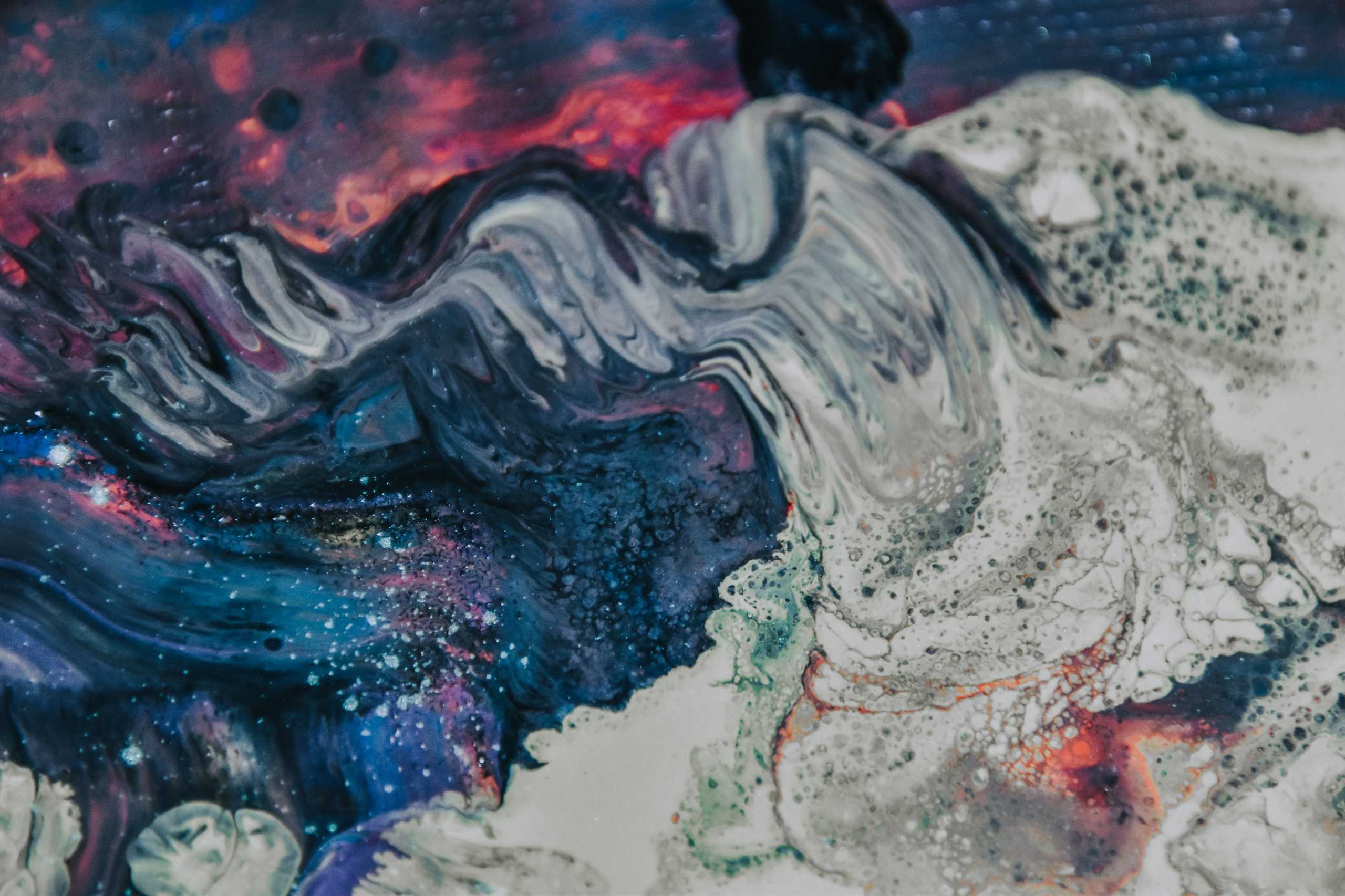
Creating mesmerizing resin ocean waves is both an art and a science. With the right techniques, materials, and a bit of patience, anyone can transform a simple canvas into a stunning piece reminiscent of the sea. This article explores key principles, tips, and creative approaches to elevate your resin wave art.
Understanding the Basics
Before diving into complex layering techniques, it’s essential to grasp the fundamental principles of resin art:
- Resin and Hardener Ratios: Using precise measurements ensures smooth curing and prevents sticky surfaces or bubbles.
- Color Theory: Combining blues, whites, and greens can evoke different ocean moods—from calm seas to stormy waves.
- Tools Matter: Brushes, heat guns, and silicone molds can drastically impact your wave textures and flow.
A solid foundation allows you to experiment confidently while maintaining control over the final result.
Step-by-Step Technique for Realistic Waves
- Base Layer: Start with a light-colored base to simulate shallow water. This helps subsequent layers appear more dynamic.
- Layering Waves: Pour darker shades in thin layers, gradually adding white highlights for foam and wave tips.
- Creating Depth: Use a heat gun or torch lightly to move the resin, creating organic wave patterns and subtle blending.
- Finishing Touches: Add tiny accents like sand, seashell textures, or metallic pigments for shimmer and realism.
This step-by-step method ensures each piece captures the fluid motion and depth of natural waves.
Common Challenges and How to Overcome Them
Even seasoned artists face hurdles in resin art. Common issues include:
- Bubbles: Minimized by mixing slowly and using a heat gun to release trapped air.
- Uneven Layers: Careful layering and waiting for each layer to cure prevents blending mistakes.
- Color Overload: Stick to a harmonious palette to avoid muddy or unrealistic effects.
Understanding these challenges allows you to troubleshoot effectively and refine your technique over time.
Tips for Creativity and Personal Style
- Experiment Freely: Try unusual color combinations or textures to find your signature style.
- Study Nature: Observe real waves, coastal foam patterns, and water movements to replicate natural motion.
- Combine Mediums: Integrate resin with acrylics, pigments, or embedded objects for unique artistic effects.
Art is as much about experimentation as it is about technique. Allow yourself the freedom to innovate and create pieces that feel alive.
Conclusion
Mastering resin ocean waves is a journey of patience, observation, and creativity. By understanding basic principles, following structured layering techniques, and embracing personal artistic choices, anyone can craft captivating ocean-inspired resin art. Each piece becomes not just decoration, but a dynamic reflection of the sea’s beauty and energy.